Here’s an overview of the psychological meaning of colours in artwork — how different hues tend to evoke emotions or ideas — plus some good online resources if you want to read more.
Common Colour Meanings in Art & Their Psychological Effects
| Colour | Common Psychological / Emotional Associations in Art |
|---|---|
| Red | Passion, energy, love, urgency, intensity; can also evoke danger, anger or tension. (Zen Museum) |
| Blue | Calmness, tranquility, contemplation, stability — also melancholy, introspection or sadness (especially darker or muted blues). (artistic-designers.com) |
| Green | Nature, growth, harmony, renewal, peace, balance. Sometimes also jealousy or envy depending on context. (art.fex.net) |
| Yellow | Happiness, optimism, warmth, energy, creativity. But if overused or too bright, it can feel intense, anxious or overpowering. (blog.creativeflair.org) |
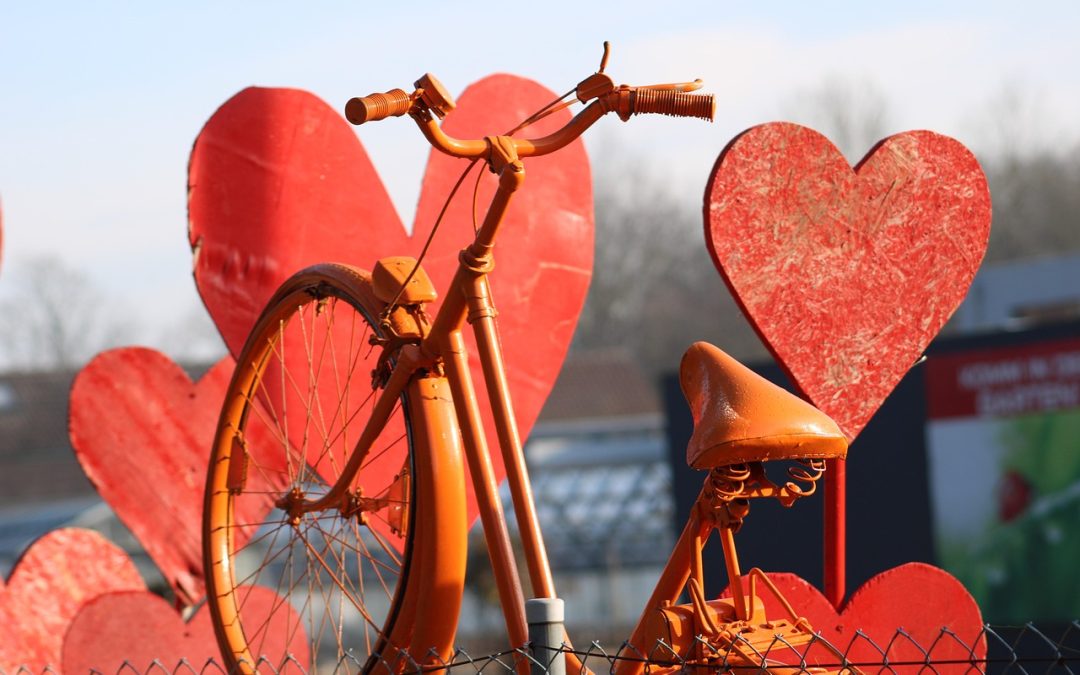
| Orange | Enthusiasm, vitality, joy, creativity — a warm, energetic, friendly or playful tone. (paintingondemand.art) |
| Purple / Violet | Spirituality or mysticism, luxury, mystery, creativity, a sense of enchantment or introspection. (artistic-designers.com) |
| Black / Dark tones | Depth, seriousness, melancholy, mystery, elegance — can evoke strong emotional weight or introspection. (blog.creativeflair.org) |
| White / Light tones | Purity, simplicity, space, openness, calm — can also suggest emptiness or minimalism. (blog.creativeflair.org) |
Why it matters:
- Artists use colours to evoke or suggest emotions — even without depicting figures or narratives. (About Wall Art)
- Colour choices create mood and atmosphere: warm colours (red, orange, yellow) often feel energetic, active or emotionally intense; cool colours (blue, green, purple) tend to feel more restful, contemplative or harmonious. (Alberta Foundation for the Arts)
- Because perception is partly psychological and partly cultural, colour‐emotion associations can vary depending on viewer background and personal experience. (blog.creativeflair.org)
Also worth noting — there is emerging academic research trying to bring more nuance: for instance, a recent study using a “fuzzy” model found consistent statistical associations between particular colours and certain emotions in artworks. (arXiv)
🔗 Useful Resources for Further Reading
- Color Psychology in Art — Creative Flair Blog — a down-to-earth overview of how different colours evoke emotional states. (blog.creativeflair.org)
- Understanding Color Psychology in Artistic (art.fex.net) — focuses on how blue, yellow, green, and other colours influence mood and meaning. (art.fex.net)
- Color Symbolism in Art: How Colors Convey Emotions and Ideas — Artistic Designers — discusses historical and symbolic as well as psychological colour meanings. (artistic-designers.com)
- The Definitive Guide to Color Theory in Art — Zen Museum — describes how traditional colour theory (pigments, colour wheel) combines with emotional/psychological colour meaning. (Zen Museum)
- Color-Emotion Associations in Art: Fuzzy Approach (2023 research paper) — academic study framing colour–emotion associations in a systematic, data-driven way. (arXiv)
⚠️ A Few Caveats & Tips
- Colour perception isn’t universal. Cultural background, personal history, and context influence how colours are interpreted. (blog.creativeflair.org)
- Use colour intentionally. Too much of a “bright” colour (e.g. yellow) can overwhelm viewers; subtle tones or restrained palettes may evoke deeper emotional resonance. (Zen Museum)
- Emotion comes from combination — not just single colours. How colours interact (contrast, harmony, dominance) can strongly shape the mood of a piece. Traditional colour theory (warm vs cool colours, complementary or analogous palettes) remains a useful guide. (Alberta Foundation for the Arts)
I thought colour psychology was made up but I’ve come to realise different colours do have different emotional connections to our mind. We have a useful article at https://www.fotoviva.co.uk/news/colour-psychology-in-wall-art-prints which ties in with your other resources.
Glad you finished with the caveats though, none of these ‘guides’ are set in stone and of course with art it is such a personal choice.
Yes art is a personal choice and I believe colour effects us differently. Thanks for your input🙂