
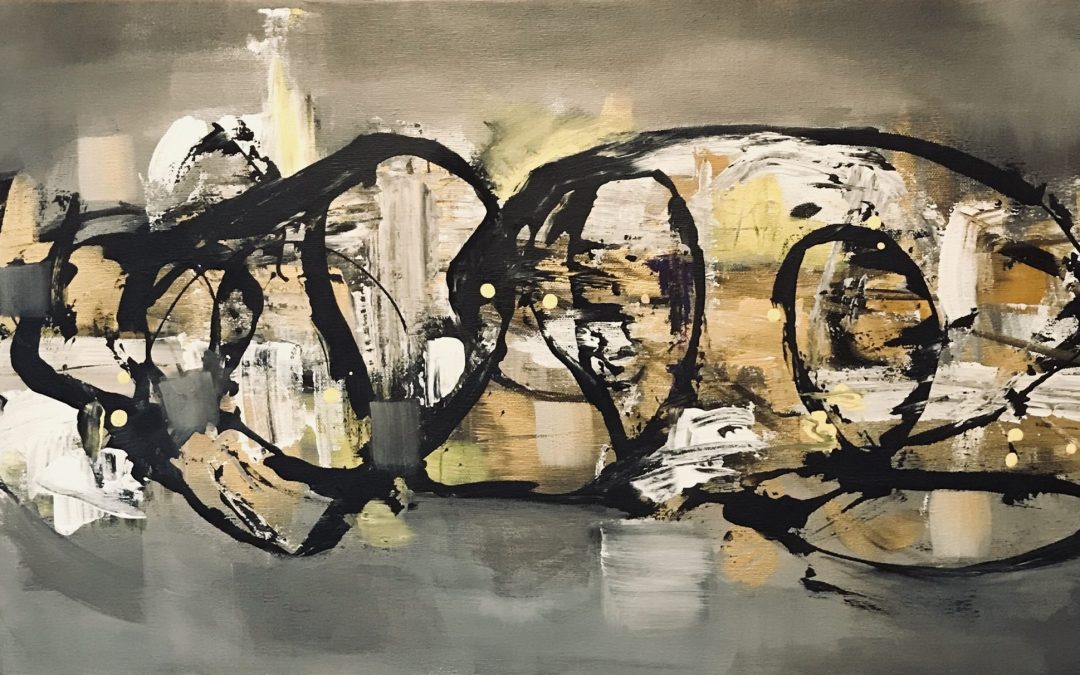
Naming artwork can be a personal and creative process, but it also involves considering how a title can communicate themes, emotions, or concepts within the work. Here are some helpful tips and methods for naming artwork, with links to further resources:
1. Reflect on the Art's Essence
- Conceptual meaning: Consider what the artwork is trying to express or evoke. Is there a story or message behind it?
- Emotional response: What emotions does the piece convey to you or the viewer?
- Symbolism: Does your artwork contain symbols or motifs that could inspire a title?
Tip: Try to capture the core feeling or idea behind your artwork in a short, simple phrase.
Example: If your artwork is about solitude, a title like "Silent Echoes" might work.
Read more: The Importance of Art Titles – Saatchi Art Blog
2. Use the Medium or Technique
- Reference your materials or technique: Sometimes the materials or methods you use in creating your art can provide a unique perspective for naming it.
Tip: If you use a unique or specific technique, mention it in the title, such as "Ink Wash on Paper" or "Impressionistic Light."
Example: “Acrylic Flow” for an abstract piece using acrylic paints with fluid techniques.
Read more: How to Title Your Artwork – Artfinder
3. Draw Inspiration from Literature, Music, or Poetry
- Cultural or literary references: Pull inspiration from literature, mythology, or songs that resonate with the piece's mood.
- Quotes and lines: You can name your work after a powerful quote, a song lyric, or a poem that aligns with your piece's message or feeling.
Tip: Ensure the title complements and doesn’t overshadow the artwork itself. It should deepen the viewer's understanding, not confuse them.
Example: “Moonlit Sonata” for a painting that reflects a calm, nocturnal scene.
Read more: 5 Tips for Naming Your Artwork – Art Business
4. Consider the Viewer’s Perspective
- Evoking curiosity: Sometimes, a title can leave some mystery for the viewer. Think about a title that invites the audience to engage more deeply, sparking curiosity.
- Narrative approach: A narrative title can tell part of the story of your piece.
Tip: Keep it open-ended enough for the viewer to interpret, but also clear enough to guide their thoughts.
Example: "Before the Storm" for a dramatic landscape painting.
Read more: How to Name Your Artwork – Jerry’s Artarama
5. Use Abstract or Metaphorical Titles
- Non-literal titles: If your work is abstract, you might want to choose a title that doesn’t directly describe what’s in the painting but instead relates to the feelings or ideas behind it.
Tip: Consider using metaphors or poetic language, like "Fleeting Moments" for a piece that represents impermanence or change.
Example: "Shifting Horizons" for a piece that evokes a sense of change or transition.
Read more: How to Create Effective Titles for Your Artworks – My Modern Met
6. Experiment with Wordplay
- Puns and wordplay: Some artists enjoy using clever puns or wordplay in their titles to add humor or depth.
Tip: This works best if your artwork has a light-hearted tone or if there’s a double meaning to the work.
Example: "Caffeinated Chaos" for an abstract piece inspired by the artist's relationship with coffee.
Read more: Tips for Naming Your Artwork – Art New York
7. Numbering Series Pieces
- Series titles: If you’re working on a series, you may want to number the works within it. The title of the series could be a single idea, with each piece receiving a number for differentiation.
Tip: Numbering helps identify where each piece fits in the context of the whole series.
Example: "Chronicles of Light: #3" for a piece in an ongoing series.
Read more: How to Title Your Artwork Like a Pro – Fine Art Tips
8. Keep It Short & Memorable
- Brevity: A shorter title is often more impactful and easier for people to remember.
Tip: Think of titles that are concise but powerful.
Example: “Echo” or “Balance.”
Read more: The Art of Naming Your Artwork – The Art Career Project
Final Thoughts
The best titles tend to resonate with the themes and emotions of the work, without overshadowing the visual elements. The key is to make the title meaningful and relevant while leaving room for interpretation and emotional connection.
By reading through these resources and experimenting with the different strategies, you can develop your own unique approach to naming your artwork!
Some good ideas